What are the key priorities and strengths of your ecosystem?
Health Cluster Portugal’s mission is to promote innovation, competitiveness, and internationalization of the national health ecosystem, reinforcing our ambition to influence health and innovation policies and engaging with decision-makers as a strategic partner. Our priorities are based on an increasingly collaborative health ecosystem, marked by the convergence of science, technology, and people, and guided by key trends including personalized medicine, data, artificial intelligence, digital health, advanced therapies, health sustainability, prevention, and longevity. In particular, our current strategic agendas are:
- Innovation and Collaboration: Strengthening innovation and collaboration to transform scientific knowledge into value.
- Internationalization and Visibility to Portuguese Healthcare: Reinforcement of the Health Portugal brand, promotion of international business missions, and continuation of the Innovating Health Together Conference as an annual landmark event.

- Influencing Health and Innovation Policies: Promotion of people- and value-centric policies, notably Value-Based Healthcare (VBH) and the secondary use of health data.
The strengths of our ecosystem include:
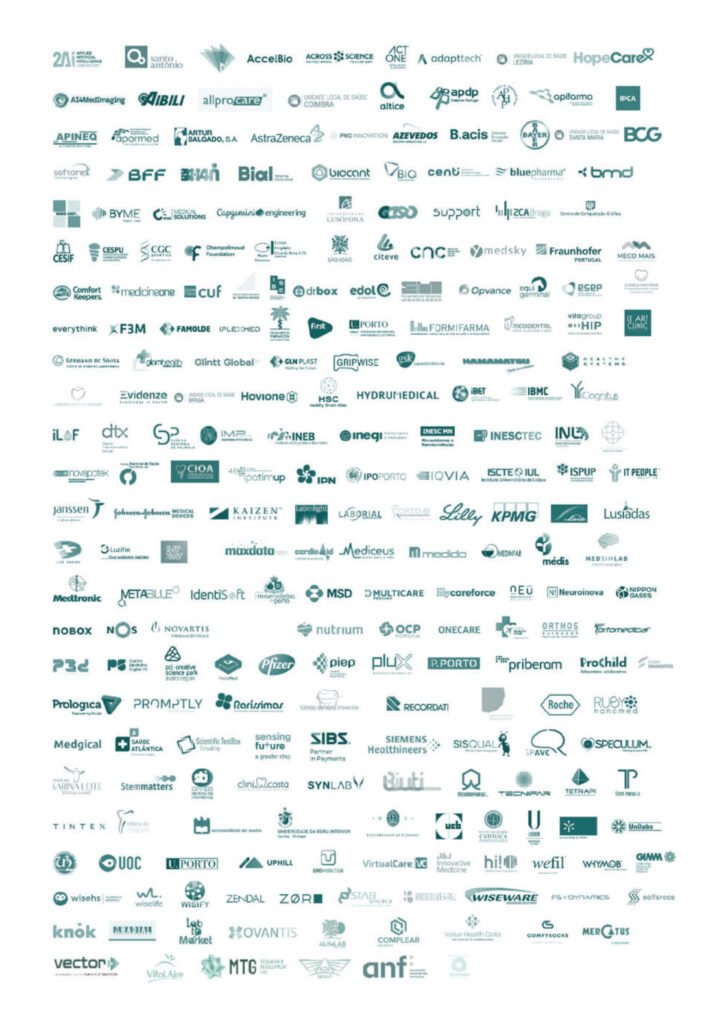
- Aggregation of over 230 members (R&D institutions, universities, hospitals, civil society organizations, and companies), bringing together a wide variety of expertise.
- Competencies in stakeholder engagement, innovation management, market intelligence, business development, training, and policy support.
Who are the top 3-5 drivers of innovation and collaboration in your ecosystem?
The ecosystem is driven by its diverse stakeholders (R&D institutions, universities, hospitals, civil society organizations, and companies), which create a particularly strong environment for innovation and collaboration, namely for piloting and testing health solutions. Some of the drivers for this include:
- Modern, technologically advanced NHS: Portugal has a strong, well-articulated national health service with universal access since 1979, highly qualified human resources, and top-notch R&D. Pioneer digital solutions include the first national electronic health record (2012) and an electronic medical prescription service (2016).
- Hospital network: Portugal has around 240 hospitals, with over 50% private; the private sector includes hospitals recognized at HIMSS Analytics EMRAM stage 7. 39 Health Local Units that integrate hospitals and primary care units.
- Active entrepreneurial ecosystem: Over 400 tech companies—mostly startups and SMEs — in areas that include biotech, software, medical devices, and in vitro diagnostics.


- Robust R&D and innovation infrastructure including academic and non-academic research institutes, CoLabs, and technological interface centers that connect research and industry, supporting product/service development and technology transfer.
- Over the next few years, the ecosystem will benefit from major investments under the Recovery and Resilience Plan for the digital transition of the NHS and to support the development of services and products for smarter, more resilient healthcare.
- Collaborative structure: The small size of the country facilitates the coordination between private and public healthcare sectors, and between R&D institutions and companies, creating an ideal environment for testing and scaling innovations.
Can you highlight key services, solutions, or initiatives in health data from your ecosystem?
- Portugal HealthDataspace – LACUS: A consortium led by HCP to develop a national health dataspace for secondary use (research, innovation, and product/service development) where the public and the private sector work together .
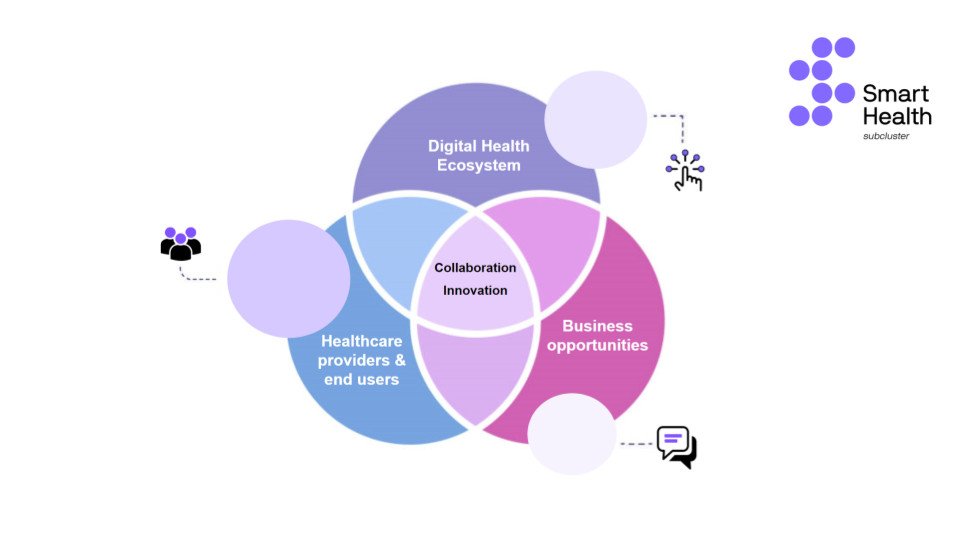
- Smart Health Network: An HCP sub-cluster focused on the development of Smart Health solutions within multidisciplinary consortiums (hospitals, academia and startups). Main working areas are related to product/service design, data standardization, interoperability, and secondary data use.
- European Health Data Space (EHDS): Collaboration with the Scanbalt metacluster and other European clusters to support stakeholder engagement and contribute to the drafting of Joint Declarations aimed at enhancing EHDS regulatory frameworks.
- Digital Innovation Hub – DigiHealthPT: Coordinated by the HCP, DigihealthPT supports health startups, SMEs, and the public sector in digital health, AI, and cybersecurity adoption.
- Testing and Experimentation Facilities (TEF) Health: the HCP is a member of this European initiative for piloting novel AI and robotics solutions, coordinated by Charité Berlin.
Are there any EU or international funding projects your ecosystem is involved in (or would like to join) related to health data?
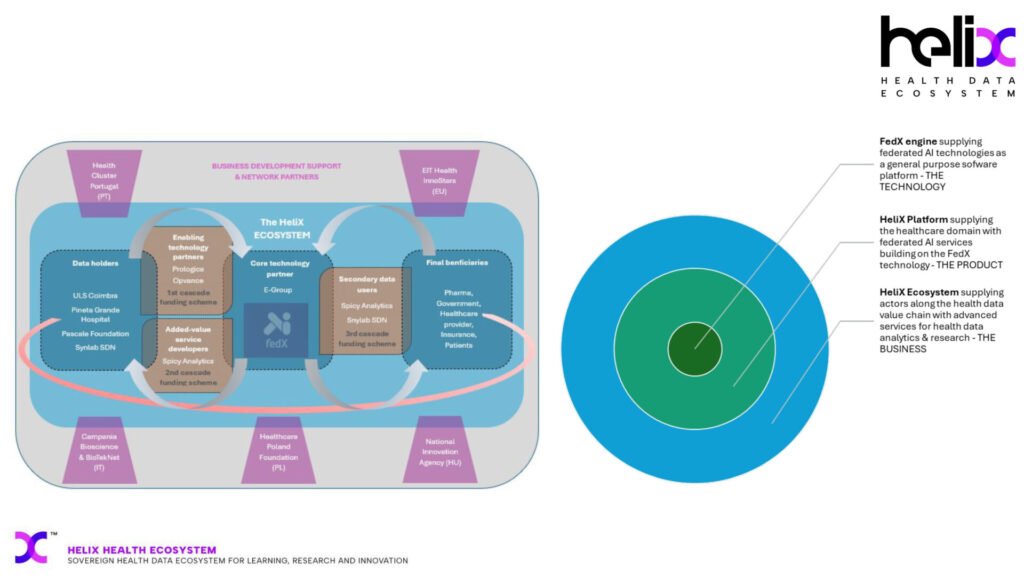
Yes, we are involved in both national and international projects dedicated to the development of a Portuguese health data space and broader health innovation initiatives, namely as the coordinators of Helix, a European project that enables the secure and privacy-preserving use of health data through a federated AI platform. By allowing advanced analytics and machine learning without the data leaving its source location, HeliX connects fragmented databases across regions and supports research, innovation, and the development of new digital health solutions.
At the national level, leading the Portugal HealthDataspace – LACUS initiative, a consortium to develop a national health dataspace for secondary use.
What types of partnerships are you seeking to strengthen your work in health data?
Partnerships with private and public hospitals, clinical, pathology and image laboratories, health insurance companies, R&D entities and other health data holders. Additionally, technology companies working on data harmonization and interoperability, AI and Trust Third Parties (TTP) for data governance, confidentiality and security. Finally, regional governmental health agencies that have the responsibility for health data governance.