
Telemedicine is no longer a niche add-on; it is a core capability in modern care pathways. The benefits of telemedicine are most visible in improved access, faster triage, and more continuous management of chronic conditions, but the ripple effects touch cost, workforce, and health equity.
When designed well, virtual care reduces avoidable hospital visits, shortens waiting lists, and empowers people to manage their health where they live and work. Below, we clarify what telemedicine means, what a telemedicine service typically includes, and how telehealth and telemedicine work together to strengthen healthcare systems.
At its simplest, telemedicine is the delivery of clinical care at a distance using digital communication tools. Think of a clinician-to-patient video consultation, an asynchronous message with photos for dermatology review, or remote monitoring of vital signs transmitted from a connected device. It is distinct from, but closely related to, telehealth, which is a broader umbrella covering health education, administrative workflows, population health management, and even non-clinical services such as wellbeing coaching. In other words, telemedicine is the clinical engine; telehealth is the entire vehicle.
Understanding this distinction matters because the benefits of telemedicine depend on clinical appropriateness and workflow fit. Not every condition is suitable for a remote visit, and safety comes first. Yet for many primary care and follow-up needs—medication reviews, mental health check-ins, physiotherapy guidance, results discussion, routine chronic disease management—telemedicine can be both safe and more convenient. It also supports multidisciplinary teamwork: secure messaging and shared records allow pharmacists, nurses, and specialists to collaborate without forcing the patient to travel or repeat their story.
From a patient perspective, “telemedicine meaning” often translates to fewer barriers: less time off work, no transport costs, minimal exposure to infections, and easier involvement of family or carers. For clinicians, it can mean better use of scarce time, reduced no-shows due to automated reminders, and higher continuity because follow-ups are easier to schedule.
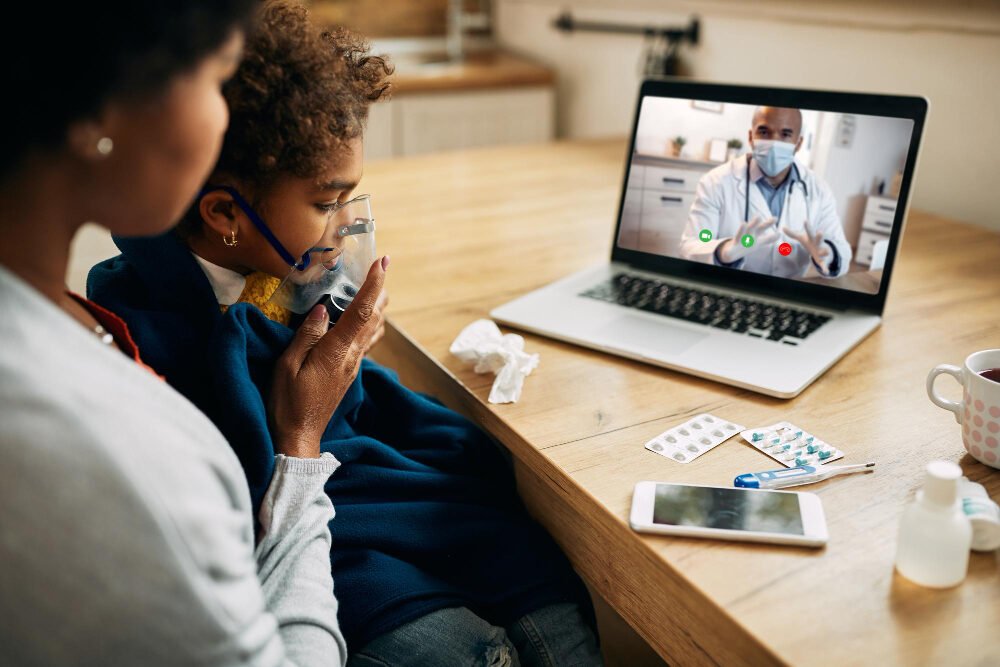
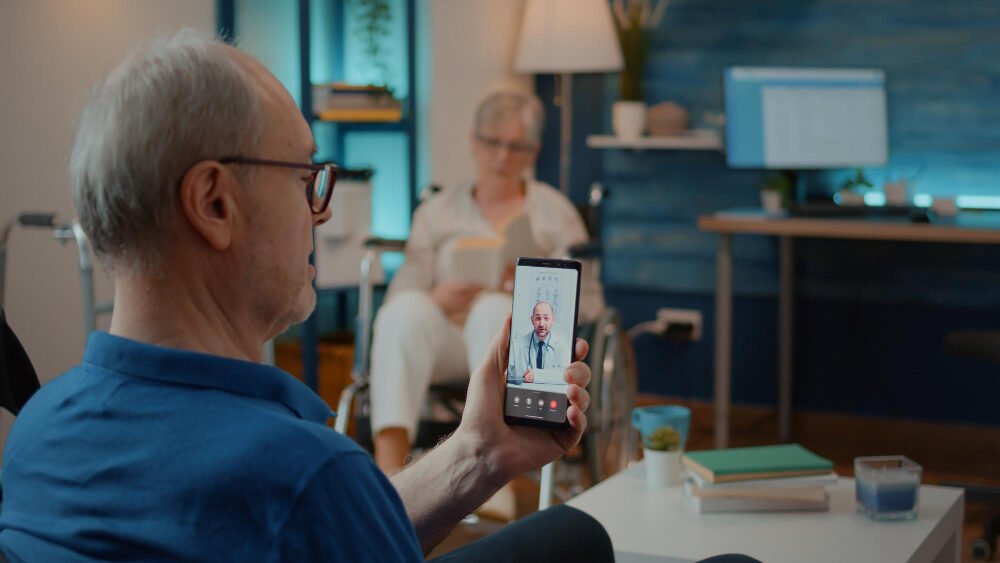
A well-designed telemedicine service is more than a video link. Typical components include:
Access & triage: online symptom checkers or forms to capture history before the appointment, directing people to the right clinician at the right time.
Synchronous care: video or phone consultations with secure identity verification, consent capture, and clinical documentation.
Asynchronous care: e-consults where patients upload images or complete structured questionnaires that clinicians review later.
Remote patient monitoring (RPM): connected devices (e.g., blood pressure cuffs, glucometers, oximeters) feeding data into dashboards with alert thresholds and escalation rules.
ePrescription & diagnostics: electronic prescriptions, e-referrals, and digital ordering of labs or imaging, with results routed back into the same workflow.
Integration & security: interoperability with EHRs, secure messaging, role-based access, and compliance with privacy regulations.
Quality & safety: clinical protocols, inclusion/exclusion criteria for remote management, and pathways for rapid conversion to in-person care when needed.
Inclusion measures: multilingual interfaces, low-bandwidth options, accessibility features, and support for people with low digital literacy.
When these pieces align, the benefits of telemedicine compound. Primary care teams can handle more issues in one interaction because data is pre-collected; specialists can deliver timely advice via e-consults, reducing referrals; and hospitals can discharge earlier with RPM safety nets that catch deterioration sooner. For payers and systems, virtual-first models help contain costs by shifting appropriate care to lower-intensity settings, while maintaining or improving outcomes.
Crucially, a strong telemedicine service invests in human factors: training clinicians in remote examination techniques, coaching patients on camera setup and device use, and setting expectations about response times. It also tracks metrics—clinical outcomes, experience scores, equity indicators, and total cost of care—to ensure that virtual pathways are delivering real-world value.
Telehealth and telemedicine are complementary. Telemedicine delivers the clinical interaction; telehealth wraps it with education, navigation, and community support. For example, a person with heart failure might receive telemedicine through RPM and video visits, while telehealth provides digital cardiac rehab, self-management content, and reminders to improve adherence. Together they create continuity across prevention, diagnosis, treatment, and recovery.
For health systems, this integration enables several strategic advantages:
Access & equity: Rural residents, people with mobility challenges, and shift workers gain more timely care. Coupled with device-loan schemes and community hubs, telehealth can narrow—not widen—the digital divide.
Workforce sustainability: Virtual collaboration reduces travel time for clinicians, supports flexible scheduling, and expands reach of specialists to underserved areas.
Data-driven improvement: Telehealth platforms generate structured data on symptoms, adherence, and outcomes, enabling proactive outreach and risk stratification.
Resilience: In crises—from winter surges to natural disasters—virtual pathways keep care going when physical capacity is constrained.
As adoption grows, governance matters. Clear clinical criteria decide what stays remote vs. in-person; interoperability ensures information flows safely across providers; and reimbursement models reward value rather than volume. When these foundations are in place, the benefits of telemedicine extend beyond convenience to measurable improvements in outcomes and system performance.
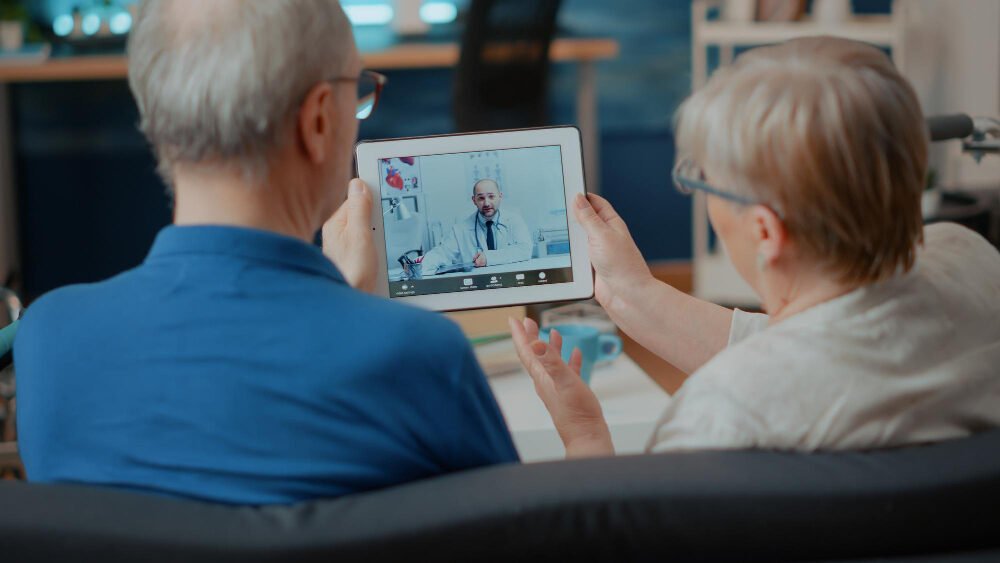
Ultimately, telemedicine and healthcare are converging. The question is not “virtual or physical?” but “what’s the best next step for this person, right now?” Sometimes that’s a video visit with a GP, sometimes an e-consult with a specialist, sometimes a same-day in-person assessment. A hybrid, “right-care, right-place” approach respects clinical nuance while meeting people where they are.
For organisations planning or scaling virtual care, start with use cases where telemedicine clearly adds value—chronic disease management, mental health, dermatology, medication optimisation, postoperative follow-up—and build from there. Co-design with patients and clinicians, bake inclusion into every step, and measure what matters. Do this well, and the benefits of telemedicine become a system-wide advantage: better access, better experience, and better outcomes at sustainable cost.
