
Women’s health is often approached as a series of disconnected moments, centered largely on maternal care or late-stage disease. This fragmentation leaves the vast majority of a woman’s life under-addressed, ignoring the critical midlife transitions, chronic condition management, and the systemic barriers that prevent early detection from leading to real-world outcomes.
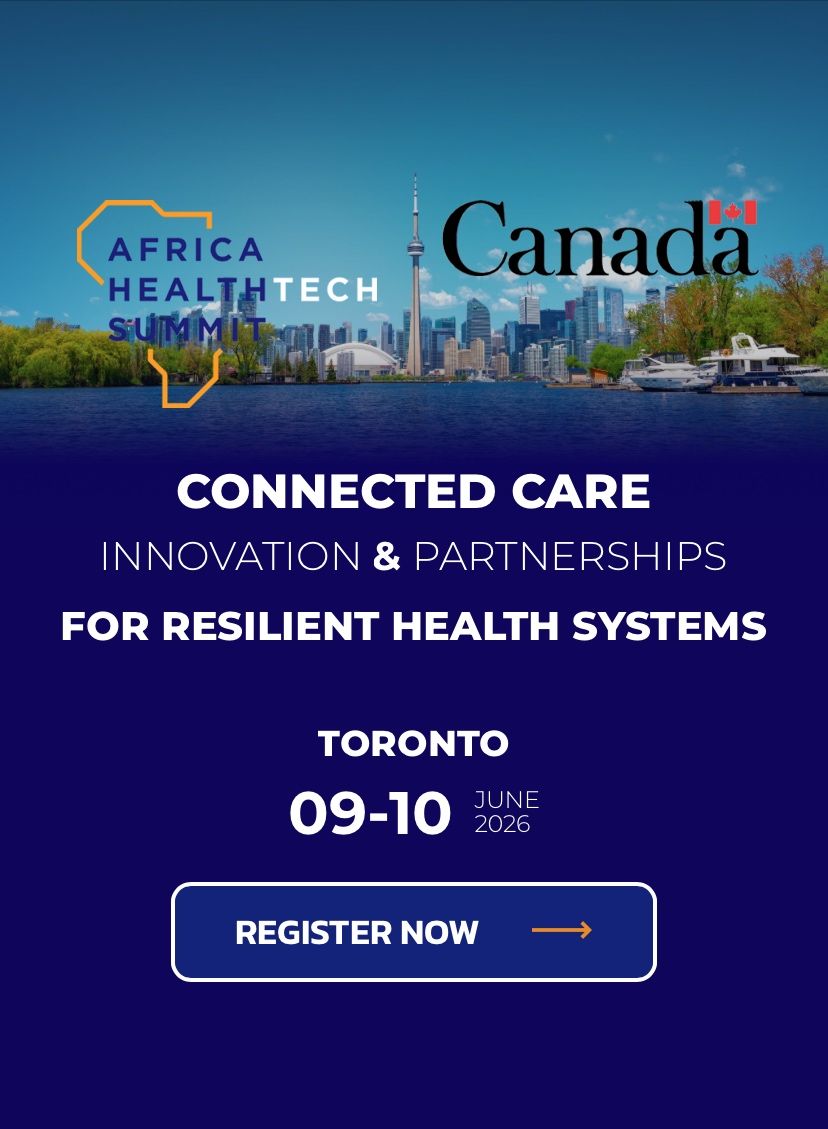
Join our Chair, Brian O'Connor onsite, and our US Ambassador, Nicole Althaus, who will be leading our sessions on Women’s Health at AHTSx Canada 2026 (Chestnut Conference Centre, Toronto).
Drawing on cross-continental perspectives from Africa, Canada, and beyond, this two-part series moves from diagnosing the systemic failures to advancing the practical solutions required to close the gap.
Early detection tools and screening programs are widely available, yet many women still present with advanced disease. The challenge is not access alone; it is the breakdown between availability and follow-through. This session focuses on how to improve engagement, navigation, and coordination so that women benefit from existing and emerging solutions. Central to this discussion is the patient experience: how women access care, understand their next steps, and navigate systems that were often not designed with them in mind. We move from diagnosis to design, asking what systemic and community-level changes close the gap between knowing and acting.
Women's health is largely defined by maternal care and aging, leaving a significant gap across the decades in between. During this time, women navigate menopause, rising chronic disease risk, delayed diagnoses, and increasing caregiving responsibilities, often without coordinated support. This session examines where women fall through the cracks and why current models fail to support a continuous care journey. Drawing on perspectives from Africa, Canada, and globally, we move from problem to pattern, surfacing the structural and cultural forces that keep care fragmented.
Are you ready to move the needle in women’s health? These sessions are designed for policymakers, innovators, clinicians, and health leaders who are committed to building more resilient, responsive health systems.
Women’s health is often approached as a series of disconnected moments, centered largely on maternal care or late-stage disease. This fragmentation leaves the vast majority of a woman’s life under-addressed, ignoring the critical midlife transitions, chronic condition management, and the systemic barriers that prevent early detection from leading to real-world outcomes.
Join our Chair, Brian O'Connor, and our US Ambassador, Nicole Althaus, who will be leading our sessions on Women’s Health at AHTSx Canada 2026. (Chestnut Conference Centre, Toronto)
Drawing on cross-continental perspectives from Africa, Canada, and beyond, this two-part series moves from diagnosing the systemic failures to advancing the practical solutions required to close the gap.
Early detection tools and screening programs are widely available, yet many women still present with advanced disease. The challenge is not access alone; it is the breakdown between availability and follow-through. This session focuses on how to improve engagement, navigation, and coordination so that women benefit from existing and emerging solutions. Central to this discussion is the patient experience: how women access care, understand their next steps, and navigate systems that were often not designed with them in mind. We move from diagnosis to design, asking what systemic and community-level changes close the gap between knowing and acting.
Women's health is largely defined by maternal care and aging, leaving a significant gap across the decades in between. During this time, women navigate menopause, rising chronic disease risk, delayed diagnoses, and increasing caregiving responsibilities, often without coordinated support. This session examines where women fall through the cracks and why current models fail to support a continuous care journey. Drawing on perspectives from Africa, Canada, and globally, we move from problem to pattern, surfacing the structural and cultural forces that keep care fragmented.
Are you ready to move the needle in women’s health? These sessions are designed for policymakers, innovators, clinicians, and health leaders who are committed to building more resilient, responsive health systems.