
Health inequity is the avoidable and unfair difference in health and care across populations. It is shaped by the conditions in which people are born, grow, live, work, and age—income, education, housing, racism and discrimination, transport, and access to digital tools. Unlike random variation, health inequities are systematic: they follow patterns of advantage and disadvantage. Reducing them is not only a moral imperative; it strengthens health systems, boosts productivity, and builds public trust.
At its core, inequity shows up in three places: access to services (who can get care), quality of care (what care they receive), and outcomes (what results they achieve). For example, people in low-income neighbourhoods may have fewer primary care clinics, longer travel times, and higher out-of-pocket costs. In hospitals, implicit bias can affect triage, pain management, or referral decisions. Over time, these differences translate into higher rates of preventable disease, shorter life expectancy, and worse patient experiences. Tackling inequality in health demands coordinated action across policy, providers, community organisations, and innovators.
Health inequalities are measurable differences in health status—such as life expectancy, disease prevalence, or maternal mortality—between groups. Not all inequalities are inequities; some variation is expected. The line is crossed when differences are unjust, avoidable, or rooted in structural factors. Classic examples include higher rates of chronic conditions among people in deprived areas, lower screening uptake in migrant communities due to language barriers, or poorer outcomes for rural residents facing long travel times and limited transport.
Understanding the drivers is essential:
Social and economic conditions: Poverty, insecure work, and inadequate housing increase exposure to risks and limit healthy choices.
Environment and place: Air quality, safe streets, access to green space, and food environments shape daily behaviours.
Access and affordability: Insurance coverage, user fees, and hidden costs (time off work, childcare, transport) deter timely care.
Cultural and linguistic fit: Services that ignore language, culture, or disability needs widen gaps in experience and adherence.
Digital inclusion: When services move online, the lack of connectivity, devices, or digital skills can create new health care inequality.
Measuring health inequalities with disaggregated data—by income, geography, gender, ethnicity, disability, and age—helps identify where to intervene and whether policies are working. Transparent reporting builds accountability and keeps the focus on outcomes that matter to communities.

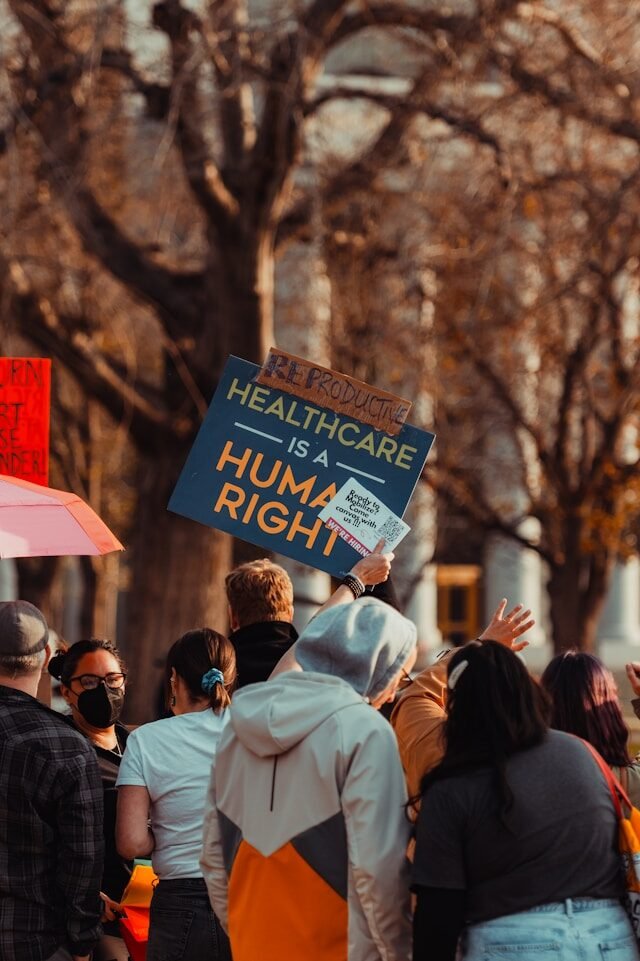
Inequality in health care appears in the capacity and design of services as well as clinical practice. Primary care deserts, long specialist waiting lists, and fragmented records disproportionately affect people with the least resources to navigate complexity. Quality improvement efforts often reach the easiest-to-reach first; without equity by design, they can unintentionally widen gaps.
Practical levers to reduce health care inequality include:
Strengthen first contact care: Bring prevention, screening, and chronic disease management closer to where people live—mobile clinics, community pharmacies, and telehealth hubs.
Proportionate universalism: Offer services to all but invest more where needs are greatest, ensuring resources follow risk.
Culturally competent care: Train teams in bias awareness, provide professional interpreters, and co-design services with communities.
Integrated pathways: Share data across primary, hospital, mental health, and social care to avoid people falling through the cracks.
Equity-safe innovation: Evaluate new models (including AI) for differential performance across subgroups; mitigate bias in datasets and algorithms before scaling.
Financing matters too. Payment models that reward prevention, team-based care, and outcomes can align incentives with equity. Meanwhile, simplifying eligibility rules and reducing administrative burdens helps patients actually receive the benefits they qualify for.
