

Africa presents significant opportunities in digital health and health data, driven by rapid technological adoption, expanding mobile connectivity, and growing recognition of health as a strategic driver of economic development. As countries across the continent work toward universal health coverage and stronger health system resilience, digital transformation is emerging as a critical enabler of healthcare access, efficiency, and innovation in healthcare delivery.

One of the greatest opportunities lies in mobile health (mHealth) solutions. With high mobile phone penetration across Africa, digital platforms are improving access to healthcare, particularly in underserved and remote communities. In Rwanda, partnerships with companies such as Zipline have enabled drone-based delivery of blood and essential medical supplies, significantly reducing emergency response times.
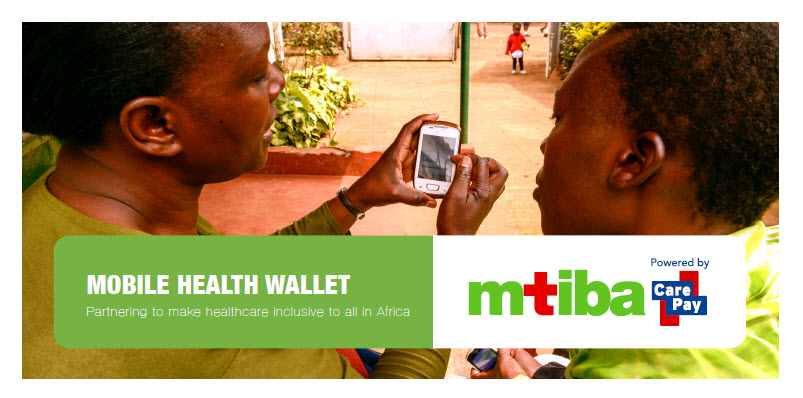
In Kenya, platforms such as M-TIBA have transformed digital health financing by connecting patients, healthcare providers, insurers, and payers through mobile technology to manage healthcare funds, insurance, and payments more efficiently. The platform has expanded access to affordable healthcare financing and enabled low-income populations to save, receive, and utilize health funds digitally, strengthening financial inclusion and improving access to care.
Another major opportunity is the strengthening of health data systems and interoperability. Governments are increasingly investing in electronic medical records, disease surveillance, and digital registries to improve decision-making and outbreak preparedness. The COVID-19 pandemic accelerated this shift, highlighting the importance of real-time data in public health response. Rwanda, for example, leveraged interoperable digital health systems to support case tracking, contact tracing, and vaccine rollout coordination, demonstrating how integrated data systems can enable faster, more responsive decision-making.
Africa is also emerging as a dynamic hub for health innovation tailored to local realities and healthcare challenges. Across the continent, digital ecosystems and collaborative networks are playing an increasingly important role in accelerating the adoption of data-driven and technology-enabled healthcare solutions. Initiatives such as the Africa Digital Health Network (ADHN) are helping transform health systems by fostering collaboration, knowledge exchange, and the strategic use of digital and data resources.
Through the cultivation of a vibrant and growing community of health professionals, innovators, academic institutions, private sector actors, and policymakers, ADHN is advancing digital transformation across Africa’s healthcare landscape. The network is helping strengthen regional collaboration, promote locally relevant innovation, build digital health capacity, and support the development of scalable solutions that can improve healthcare access, efficiency, and system resilience across the continent.
In Nigeria and South Africa, startups such as mPharma (Nigeria) and Vula Mobile (South Africa) are developing AI-enabled diagnostics, telemedicine platforms, and digital pharmacy solutions to address healthcare workforce shortages and improve access to specialist care. Another notable example is 54gene, an African genomics research, services, and development company addressing the need to include underrepresented African genomic data in research, which could lead to medical breakthroughs and new healthcare solutions worldwide. Through its research collaborations and commercial partnerships, it will enable the study of African genetics to learn the underlying genetic drivers of disease affecting everyone globally.
Beyond service delivery, digital health also presents broader economic opportunities through infrastructure development, local innovation ecosystems, and job creation. Institutions such as the Africa Centres for Disease Control and Prevention (Africa CDC) and the World Health Organization (WHO) are supporting countries to develop national digital health strategies, interoperability standards, and governance frameworks to ensure that digital transformation is both sustainable and secure.
Ultimately, Africa is not only well-positioned to adopt digital health technologies but to lead in developing scalable, inclusive, and contextually relevant solutions. In doing so, the continent can shape the future of healthcare delivery across emerging markets and contribute meaningfully to global health innovation.

Executive Chairman
Africa Health Business