
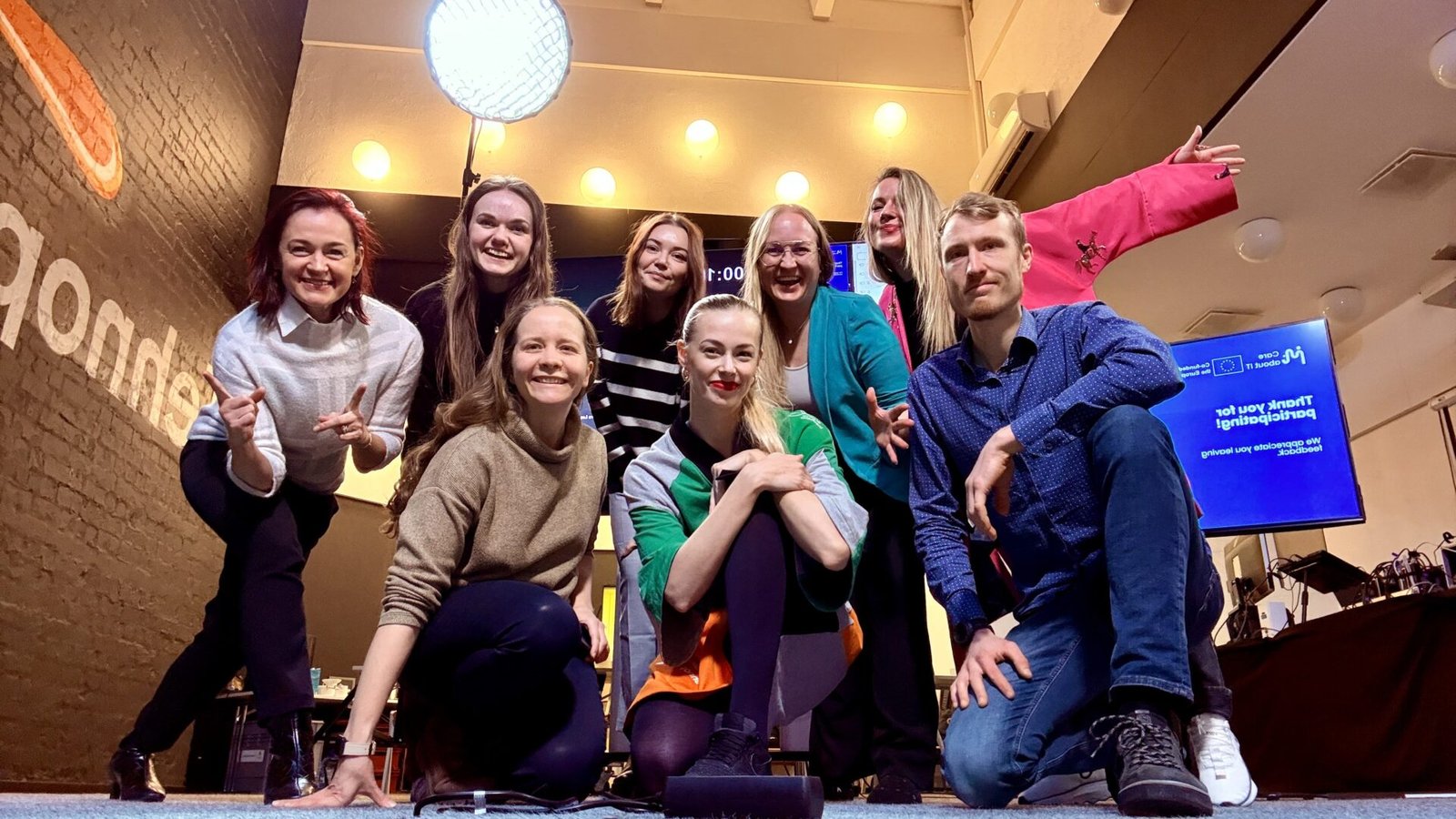
The Care about IT project explores the opportunities and challenges in vocational education and training (VET) within the care and IT sectors. Through collaboration and innovation, the hackathon seeked to develop forward-looking solutions that ensure education in the care industry remains future-ready.
Organised in collaboration with institutions from Estonia, Finland, the Netherlands, and Italy, the hackathon connected students, mentors, and experts in a virtual environment that fostered creativity, teamwork, and international cooperation. Over two days, participants worked in 27 teams to address nine complex healthcare challenges submitted by hospitals, public organisations, and tech companies across Europe. The event showcased how cross-border collaboration and digital platforms can power innovation, even in the most demanding fields like healthcare.
A key figure guiding the event’s energy and flow was Helen Minařík, who moderated the hackathon with clarity, professionalism, and warmth. Her role was crucial in ensuring smooth transitions between sessions, keeping participants engaged, and maintaining a cohesive pace throughout the event. Helen’s ability to connect with both the audience and speakers helped create a supportive and inspiring virtual atmosphere, which made a lasting impression on participants.

The challenges were rooted in real-world problems – from reducing pain in children during medical procedures to improving user experience with complex AI-based planning systems. Each problem required a unique combination of technical understanding, empathy, and forward-thinking.
Among the key challenges were:
The diversity of topics mirrored the diversity of the participants, who came from institutions such as Tallinn Health Care College, Turku Vocational Institute, Drenthe College, ITS ICT Academy, Estonian Business School, Zetech University, kood/Jõhvi, and several vocational training centres. Each team brought fresh perspectives and a strong commitment to making a difference.

After two days of brainstorming, prototyping, and pitching, the top three teams were announced:
The winners were selected by a jury of international experts:
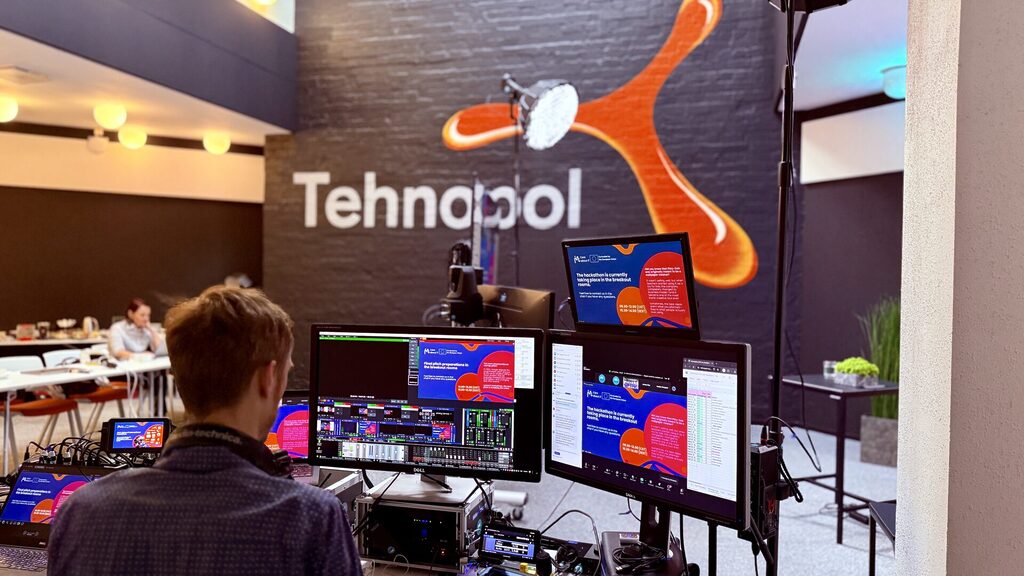
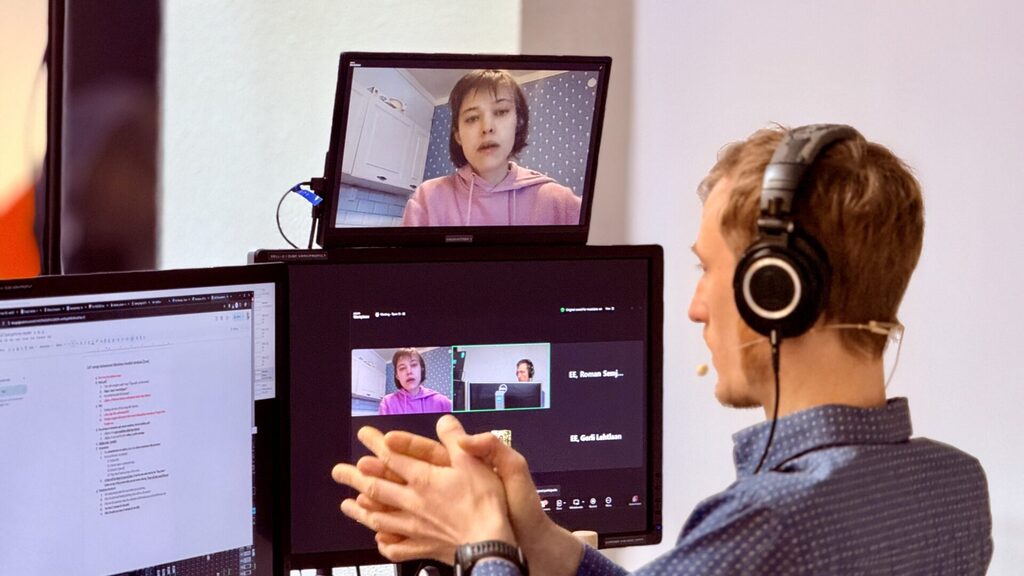
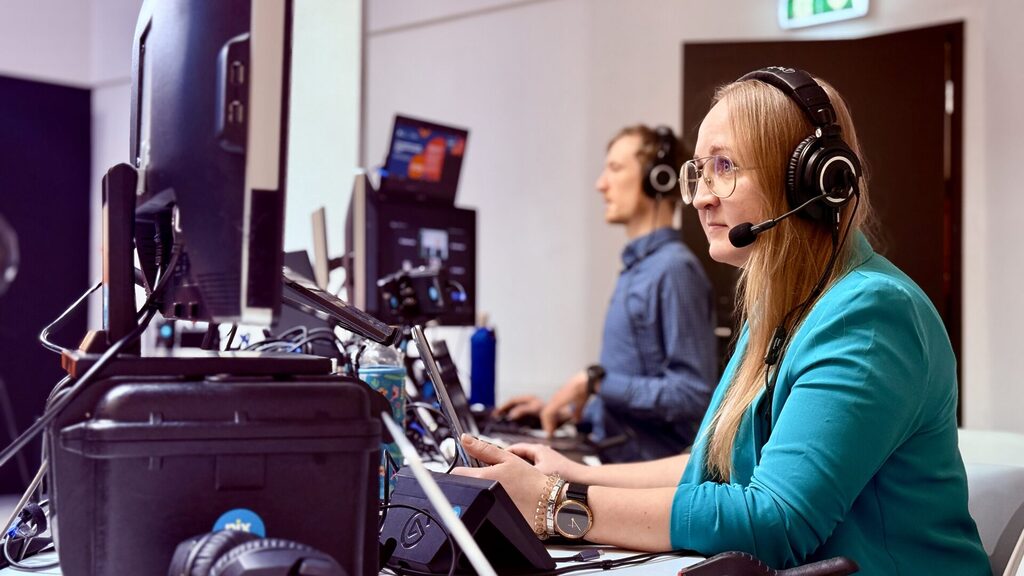
The seamless technical execution of such a complex international event was made possible by Pixtech, the expert team behind the scenes. From a technical perspective, the hackathon was a fascinating challenge: nearly 200 participants from four countries were connected in real time through a virtual platform and formed into 27 teams, each able to collaborate from their homes, offices, or classrooms. All live sessions, including the moderator’s segments and key announcements, were broadcast from Tehnopol’s studio, while teams also had access to 1:1 mentoring sessions throughout the event. Pixtech ensured not only the smooth running of these interactions but also invested in the technical onboarding of all participants, guaranteeing that each team’s pitch would run flawlessly and within the allotted time.”
This level of execution demonstrates what’s possible when strong planning, reliable infrastructure, and experienced organisers come together.
The event wasn’t just about competition—it was about growth for the students. Feedback from participants across countries highlighted the value of:
Words like interdisciplinarity, creativity, exchange of ideas, and teamwork emerged repeatedly in reflections. Participants appreciated the structure of the event and the clarity that came from feedback sessions. Some participants praised the structure and clarity of team solutions.
Behind the scenes, the true driving force of the hackathon was Loora Salurand, Project Manager from the Tehnopol HealthTech team. After being given the lead organiser role, Loora brought together a complex, multinational event with remarkable precision. Coordinating dozens of partners, challenges, mentors, and students across countries and time zones was no small feat—but thanks to her dedication, problem-solving mindset, and attention to detail, the hackathon ran seamlessly from start to finish.
Special thanks goes also to the other organising partners and institutions that made the event possible, including Tallinn Health Care College, Bossers & Cnossen, Katapult, Network Zon, Noorderpoort, TAI, Turku City Data, ASL/CN2, APRO, T4Med, DCTerra, Ida-Viru Hospital, Kood, Studisco, and My Own Interactions. The success of this hackathon would not have been possible without the country captains who guided participants every step of the way: Moonika Terno from Estonia, Irene Miretti from Italy, Rachel Kok from the Netherlands and Reino Tissari from Finland.
At Tehnopol, we’ve proven our ability to deliver complex, international online hackathons that create real impact. Whether you’re a public organisation, university, or company with a problem to solve, we can help design, host, and execute your event – from concept to completion.
We offer:
Get in touch at events@tehnopol.ee to start planning your own hackathon.
Discover more about Tehnopol HealhTech:
The Tehnopol HealhTech community integrates the health ecosystem into a unified whole and supports the rise of health technology companies both in Estonia and globally through a strong network. The community includes co-creation projects that advance both the local and international health sector, various events, community-driven initiatives, and the promotion of communication between ecosystem participants.