Karolina Mackiewicz, Innovation Director, Global Health Connector
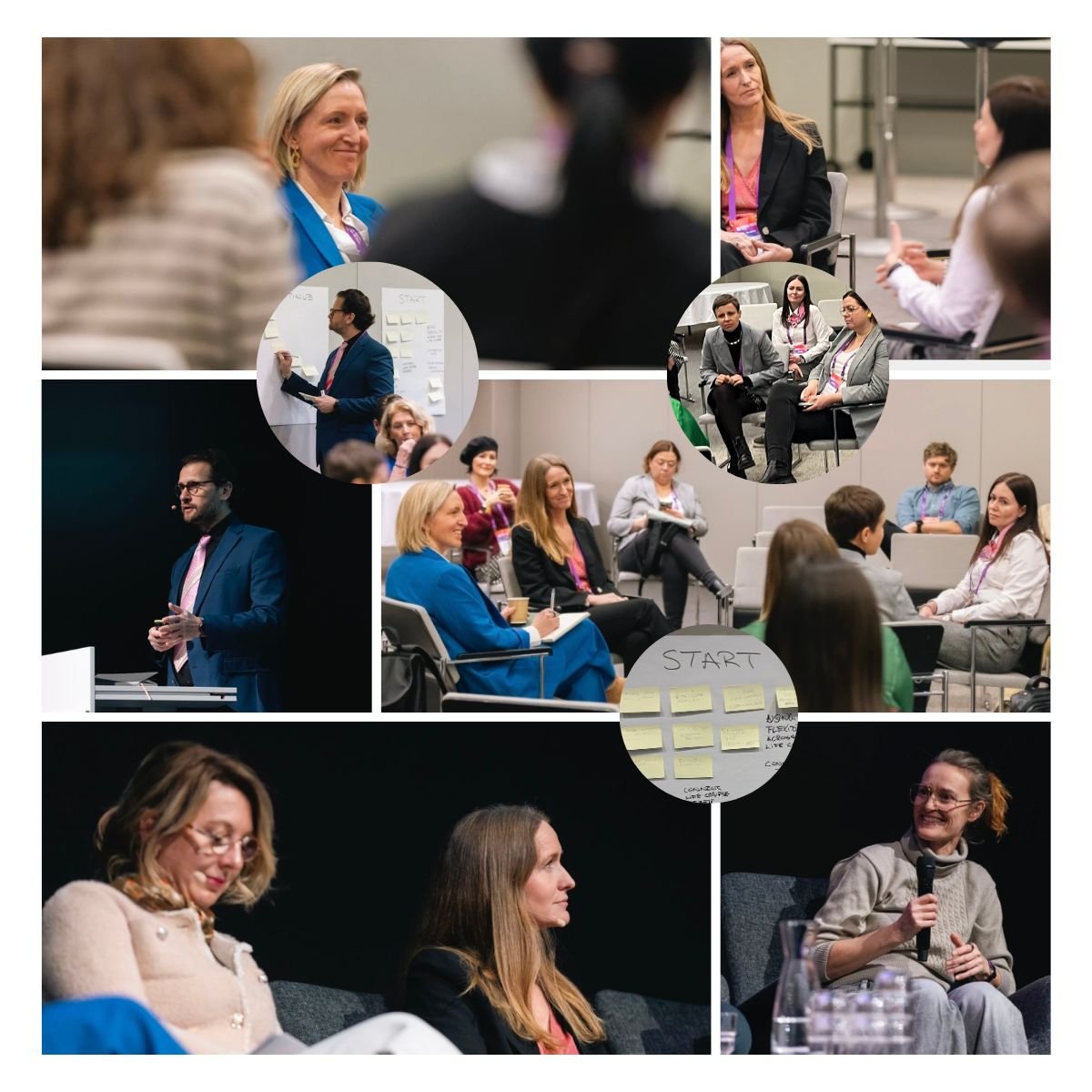
Photo credit: Nordic Wellbeing Academy
Women’s health is increasingly recognised as one of the defining challenges for modern healthcare systems. Persistent data gaps, structural bias, and fragmented care models expose how deeply our systems still rely on outdated assumptions.
As I noted in my opening remarks of the fishbowl “Women’s Health – A Data Challenge” organized by Nordic Wellbeing Academy and European Health Futures Forum at the Radical Health Festival in Helsinki, data bias matters enormously for women’s health because women have long been under-represented in research, clinical trials, and even routine health data.
As a result, the algorithms, decision-support tools, and digital services we increasingly rely on often fail to recognise symptoms, risks, and care pathways specific to women. If these gaps are not addressed, digital health risks amplifying existing inequalities – from missed diagnoses and inappropriate treatments to solutions that simply do not work for half of the population. With the dependency of the AI solutions on high quality data, this issue is not optional but foundational.
The discussion in Helsinki reinforced what is already well documented: women face higher rates of misdiagnosis, inappropriate drug dosing, and long diagnostic delays for conditions such as endometriosis, autoimmune diseases, and cardiovascular events. At the same time, they remain underrepresented in health leadership and significantly underfunded in research and innovation. These are not isolated shortcomings, but systemic design flaws embedded in how evidence, value, and innovation are defined.
What emerged clearly was the need to move beyond awareness towards structural change. A life-course perspective is essential, recognising that women’s health evolves over-time and is shaped by biology, social roles, work, caregiving responsibilities, and ageing.
This also means rejecting the illusion of “gender-neutral” data, which too often translates into gender-blind solutions, and ensuring men are active participants in advancing change.
There is also a cultural dimension. As a Polish woman living in Finland, I see both strengths and gaps: strong Nordic frameworks for representation and equity, alongside highly individualised systems that often assume public services can replace community support. Under growing financial and capacity pressures, those services struggle to meet complex, individual needs. In more community-oriented cultures, family networks, peer support, and intergenerational exchange remain visible and effective. This “it takes a village” approach is not nostalgic; it is practical.
Closing women’s health gaps requires coordinated action across data, technology, policy, investment, and community. Women’s health is not a niche issue, but a test of whether our health systems are equitable, adaptive, and future-ready. This is precisely where Global Health Connector’s ecosystem approach makes a difference.