
Healthcare is changing fast. Ageing populations, chronic disease, workforce shortages and digital transformation are redefining what “good care” looks like. To meet this moment, organisations need a robust, shared understanding of health care skills—from clinical capabilities to digital fluency, from communication to change leadership. This page maps the core skill areas every modern health system, provider and innovator should prioritise to deliver safer care, better outcomes and more efficient services.
Effective health care skills start with a clear, patient-centred purpose. Whether you are a hospital executive, a primary care team, a start-up founder or a public health leader, the goal is the same: equip people with the competencies to improve outcomes and experience while reducing variation and waste. That demands a balanced mix of technical expertise and human skills: evidence-based practice, informatics, quality improvement, teamwork, cultural competence and ethical decision-making. Crucially, it also requires an ecosystem approach—collaboration across providers, payers, academia, government, industry and citizens—so that skills keep pace with real-world needs.
Digital technologies are now part of everyday care pathways, so health care skills must include confidence with electronic records, telehealth, remote monitoring, AI-enabled decision support and mobile apps. The priority is not coding; it’s safe, effective use. That means understanding clinical risk, data quality, bias and governance; using interoperable standards; and integrating tools into workflow so clinicians spend more time with patients, not screens. Frontline teams should be trained to select and evaluate digital tools, interpret dashboards, escalate concerns and close the loop between data and action. Leaders need skills in digital strategy, procurement, vendor management and benefits realisation to ensure investment translates into measurable impact.


High-quality care depends on high-quality data. Data literacy in healthcare is the ability to find, understand, trust and use data for decisions—from population health and service planning to bedside care. Core competencies include: basics of statistics, understanding denominators and confounders, reading run charts, and distinguishing correlation from causation. Clinicians should be able to use registries, quality indicators and patient-reported outcomes to guide improvement and equity. Everyone needs to grasp privacy, security and consent; how to de-identify data; and when to involve information governance. Embedding these skills builds a learning health system where each care interaction informs the next, and where variation triggers curiosity, not blame.
Interoperability underpins data literacy. Teams should be familiar with common terminologies and standards so information flows where it’s needed, safely and with context. That enables continuity of care across settings and avoids duplicate tests, delays and errors. When data moves, value moves—with better coordination, earlier intervention and more personalised support.
Technical excellence matters, but care is ultimately human. Patient-centred care skills include active listening, shared decision-making, health literacy and cultural humility. Clinicians should be trained to communicate risk and uncertainty, personalise care plans and incorporate patient-reported outcomes and experiences. Co-design with patients and carers turns services into partnerships, improving adherence, satisfaction and outcomes. For complex needs, skills in case management, motivational interviewing and community navigation reduce fragmentation and support self-management.
Compassion is a skill—one strengthened by reflective practice and supportive teams. Psychological safety, inclusive leadership and effective multidisciplinary working help professionals raise concerns, learn from near-misses and innovate. These “soft” skills deliver “hard” results: fewer adverse events, better retention, and stronger organisational resilience.

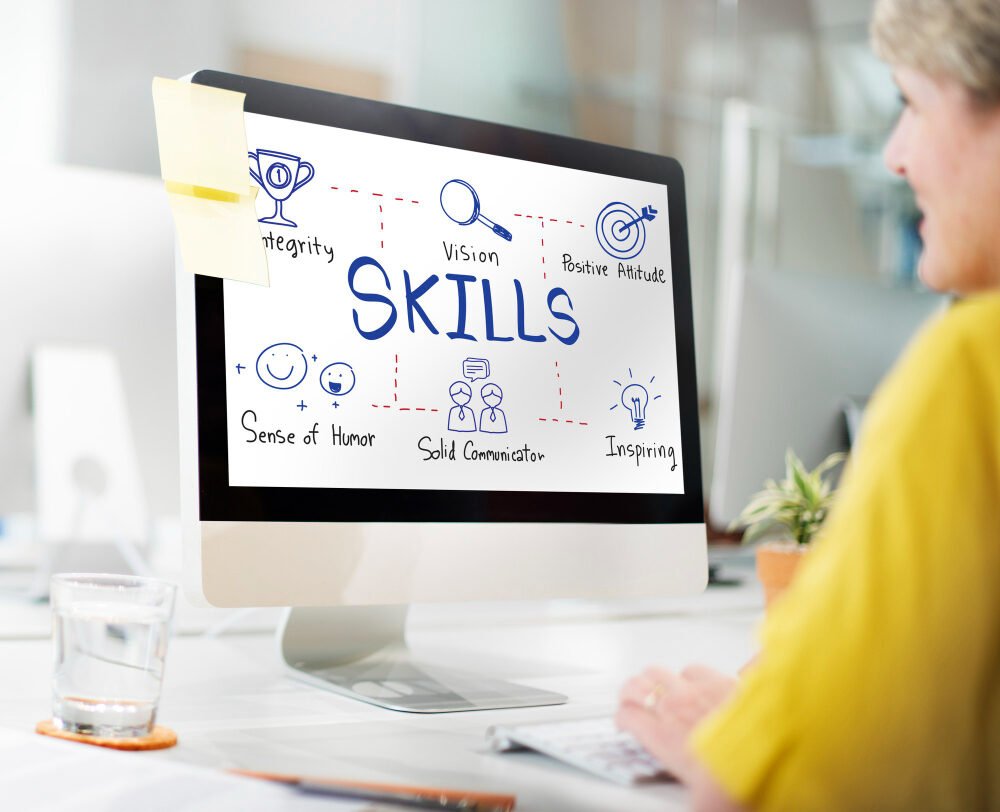
Workforce development is a journey, not a one-off training day. Organisations should define a skills framework aligned to strategy and population needs; assess current capabilities; and close gaps through targeted learning pathways. Blend modalities—micro-learning, simulation, coaching, communities of practice—to embed habits, not just knowledge. Track outcomes, not attendance: patient results, process reliability, staff wellbeing and equity improvements. Recognise and reward new competencies so people see a future in the system they’re helping to transform.
Partnerships accelerate progress. Collaborate with universities, professional bodies, patient groups and industry to co-create curricula and placements that reflect real-world care. Share resources across regions to reduce duplication. And think beyond traditional roles: advanced practice, digital navigators, data stewards and community health workers can extend reach and improve access, especially in underserved areas.
Finally, anchor health care skills in values: safety, transparency, equity and sustainability. Use data to reveal disparities and design targeted interventions. Build digital services that are accessible by default. Invest in leadership at every level so teams can adapt with confidence as technologies evolve and patient expectations rise.
When people have the right health care skills—digital, data and human—systems deliver better, fairer care. The organisations that act now will shape the future of health, not be shaped by it.
