


Cancer Research Funding

Cancer research funding is evolving fast as funders demand measurable outcomes, health systems seek sustainability, and innovators bring new science to the bedside. The most effective programs blend diversified financing (public grants, philanthropy, venture, and industry co-funding) with a clear pathway from discovery to implementation. This page outlines the models and enablers that turn money into meaningful patient impact—especially in paediatrics and breast cancer—while avoiding common pitfalls such as chasing the wrong metrics or funding siloed projects.

A strong funding strategy starts with a portfolio view. Early-stage discovery needs patient capital and smart risk; translational work benefits from milestone-based tranches; real-world deployment requires reimbursement-minded design from day one. Successful stakeholders map projects to the full continuum—discovery, validation, scale—then align partners who can de-risk each phase. Philanthropy can underwrite first-in-human studies, public funds can expand multicentred trials, and industry can scale manufacturing or digital infrastructure. Throughout, teams should predefine outcome measures that matter: survival, quality of life, time-to-diagnosis, and access equity.

While journal metrics (for example, a “cancer research impact factor”) can signal scientific visibility, they are not proxies for patient benefit. Funders increasingly prioritise open science practices, FAIR data, and reproducibility plans over prestige alone. Proposals that commit to data sharing, common ontologies, and interoperable tooling move faster through due diligence because they promise compounding returns across programs.

Cancer Research Technology

Technology is the force multiplier for every funding euro or dollar. Modern cancer programs weave together multi-omics, imaging, and clinical data using privacy-preserving architectures. Cloud-based workspaces with role-based access and audit trails shorten the distance from hypothesis to analysis. Artificial intelligence adds value when it is trained on curated, bias-aware datasets and validated prospectively; funders should budget for data governance, external validation, and post-market performance monitoring, not just model development.

Diagnostics remain a high-leverage area. Liquid biopsy, radiomics, and AI-assisted pathology can reduce time-to-diagnosis and guide therapy selection. Funding calls that require standardised reporting (e.g., predefined endpoints, calibration drift checks, and subgroup performance) avoid the trap of pretty prototypes that fail in the clinic. On the therapeutic side, platforms such as cell and gene therapy or mRNA demand early manufacturing and supply-chain planning. Including tech transfer and regulatory expertise in the budget prevents late-stage bottlenecks.

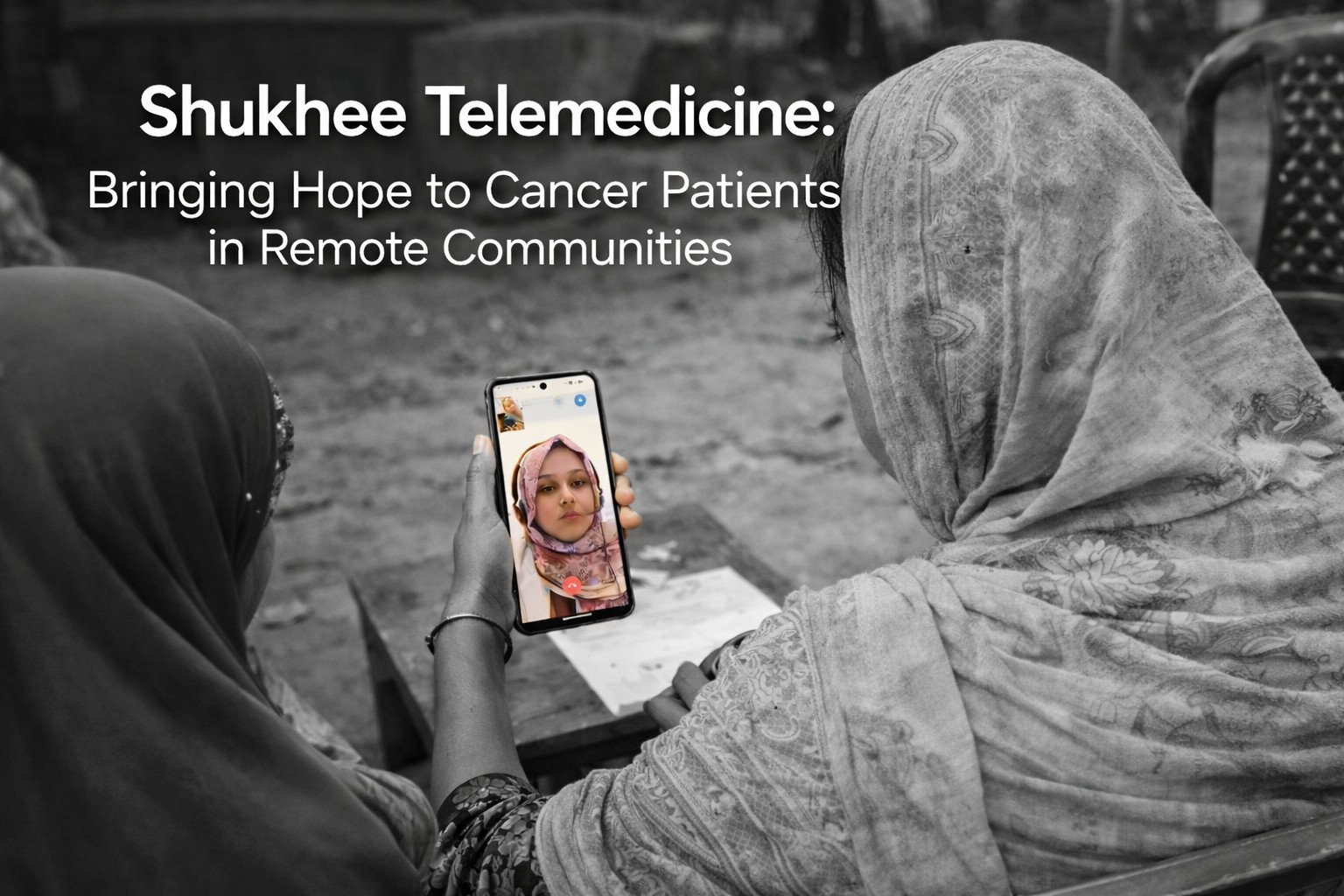
Digital endpoints and remote monitoring are equally important. Patient-reported outcomes captured via secure apps, wearables that feed symptom and toxicity data, and tele-oncology workflows can expand trial reach and diversify cohorts. When cancer research funding includes reimbursement readiness (codes, cost-effectiveness models, and real-world evidence plans), it accelerates adoption by providers and payers.

Read More
Cancer Research Technology
Pediatric Cancer Research Funding

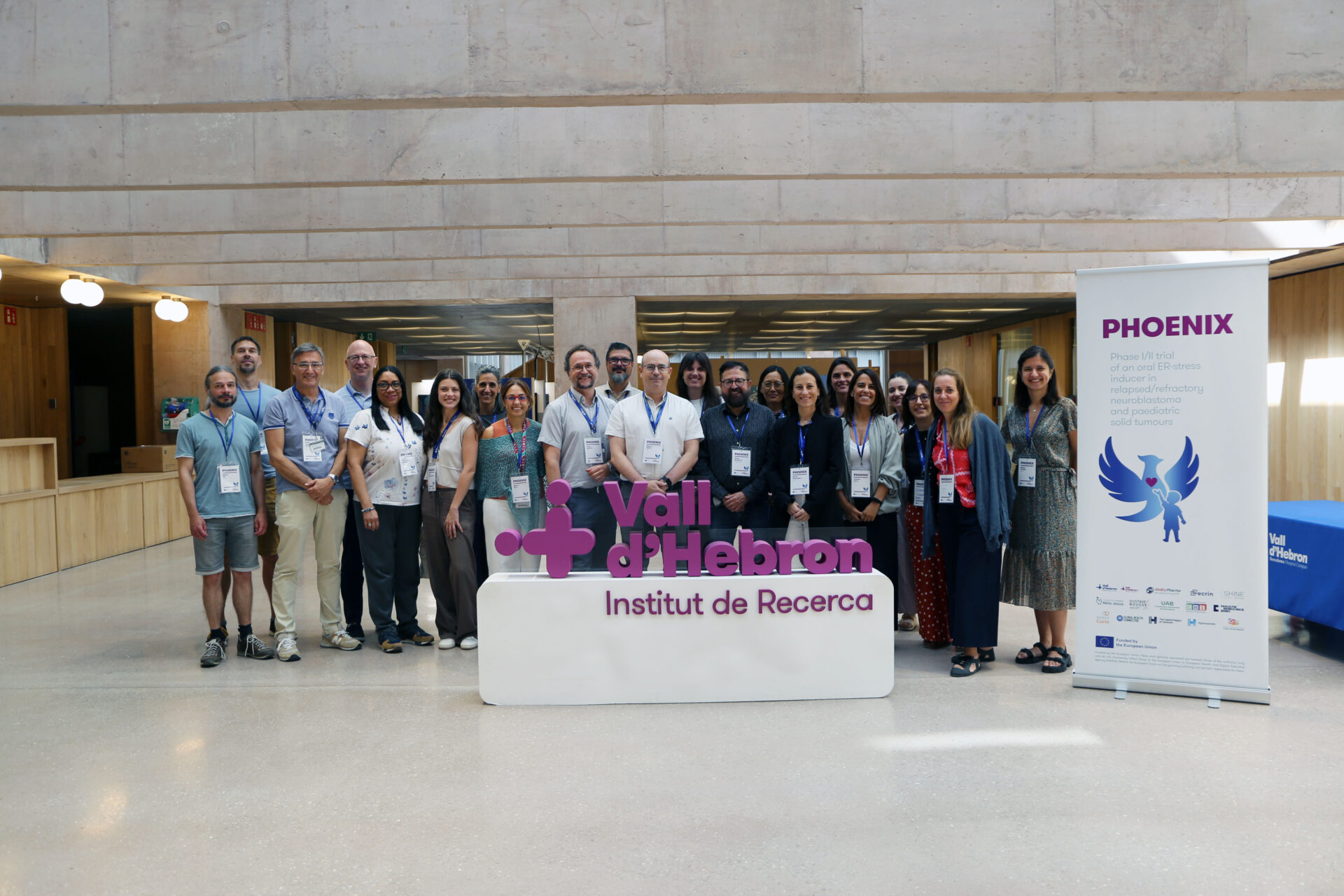
Pediatric Cancer Research Funding

Paediatric oncology faces unique hurdles: small populations, biological heterogeneity, and historical under-investment. Effective paediatric cancer research funding—often coordinated with family foundations and international registries—prioritises collaboration over competition. Cross-border consortia can reach adequate sample sizes for rare subtypes, while harmonised protocols reduce duplication. Embedding biobanking and long-term survivorship cohorts from the outset yields insights on late effects, neurocognitive outcomes, and fertility preservation.

Because return-on-investment timelines can be longer in peadiatrics, mixed capital stacks work best. Venture-philanthropy models can de-risk early assets, enabling follow-on industry participation once signals emerge. Public calls can stipulate data-sharing clauses, common data models, and joint governance with patient groups to ensure research questions reflect lived experience. Importantly, child cancer research funding should include navigation and travel support so families can access trials—an equity lever as critical as bench science.

Regulatory engagement is another success factor. Early scientific advice with regulators helps align paediatric investigation plans with realistic endpoints. Funding for statistical innovation—borrowing strength across subtypes, Bayesian adaptivity—can make small-N trials ethical and efficient. Finally, survivorship services must be budgeted as part of the research lifecycle: screening protocols, mental health support, and transition-to-adult-care pathways.

Read More

Breast Cancer Research

Breast cancer remains a leading area for translational impact because of screening infrastructure, well-characterised subtypes, and active patient communities. Strategic breast cancer research funding focuses on three fronts. First, prevention and earlier detection: improving risk stratification by combining genetics, imaging density, lifestyle factors, and social determinants to personalise screening intervals and modalities. Second, precision therapy: accelerating trials for HER2-low disease, optimising ADCs and PARP combinations, and addressing resistance mechanisms with longitudinal biopsies and circulating tumor DNA. Third, equity: funding mobile screening units, community partnerships, and culturally tailored education to close gaps in stage at diagnosis and treatment adherence.

Technology again plays a central role. AI-assisted mammography can cut recall rates without missing cancers when validated across diverse populations. Digital pathology paired with spatial transcriptomics helps identify microenvironment targets. Real-world evidence platforms that link pathology, pharmacy, and outcomes data allow continuous learning after regulatory approval. Programs that earmark a portion of budget for implementation science—training, workflow redesign, and change management—translate breakthroughs into standard practice faster.

Read More
Breast Cancer Research
Putting it all together

To maximise return on cancer research funding, anchor every project in outcomes that matter to patients, require interoperable data and open science, and design for scale from day one. Use technology to compress timelines, and structure partnerships so each stakeholder de-risks a specific phase. In paediatrics, collaborate across borders and include survivorship by design; in breast cancer, invest in prevention, precision therapy, and equity. Measure success not only by publications or a cancer research impact factor, but by improved survival, quality of life, and fair access to innovation.

Life Science Consulting
In short, our life science consulting helps you navigate the life sciences industry with confidence—accelerating research, de-risking operations, and scaling impact across the life sciences sector. Ready to move from slideware to measurable outcomes?...
Mental Health Research for Global Impact
If you are a researcher seeking real-world partners, a health system pursuing scalable solutions, a policymaker shaping reforms, or a company validating an innovation, aligning around mental health research can multiply your impact. Join a global com...
Women's health care: advancing equity & innovation
Whether you’re a clinician, policymaker, innovator, or advocate, there’s a place for you in our women’s health connector. Together we can make women’s health care more accessible, data-driven, and equitable—so every woman, in every community, can liv...
Comprehensive Care for Integrated Health
Comprehensive care creates trust. People feel known, not processed. Clinicians have the right information at the right time. Systems spend smarter by preventing complications instead of paying for them. Whether you’re building a regional network or i...
Alliance Health: our Global Health Connector
Health ecosystems thrive when they act like ecosystems. By focusing on ecosystem health, Global Health Connector helps organisations become more adaptive, equitable, and sustainable. Stakeholders gain faster time-to-impact, patients experience smooth...