

1. The Africa HealthTech Summit brings together a very broad ecosystem, from policymakers to startups and investors. What concrete changes or outcomes have you seen over the past editions, beyond the event itself?
One of the most important outcomes we’ve seen from the Africa HealthTech Summit is the shift from isolated conversations to ecosystem coordination. Across previous editions, we’ve seen partnerships emerge between startups and governments, investors entering African health markets with more context and confidence, and stronger collaboration between diaspora leaders, innovators, and health systems.
What is becoming increasingly clear is that the value of platforms like AHTS lies not just in convening people, but in creating long-term pathways for collaboration. Several initiatives, pilots, and policy conversations that began at the summit have continued beyond the event itself — particularly around digital health infrastructure, AI, diagnostics, and cross-border innovation partnerships.
AHTSx Canada builds on that momentum by extending the conversation into a Canada–Africa collaboration framework focused on implementation, investment, and systems transformation.
 .
2. There is a lot of discussion globally about digital health innovation, but less about implementation at scale. Where do you see Africa today — are we still in the innovation phase, or moving towards real system transformation?
Africa has moved beyond simply proving that innovation is possible. The continent already has a growing pipeline of digital health solutions, AI tools, and community-driven technologies addressing real healthcare challenges.
The bigger question now is scale.
We are at a critical transition point between innovation and systems integration. The challenge is no longer only building technology — it is ensuring these solutions can integrate into national health systems, align with policy frameworks, secure sustainable financing, and operate across fragmented infrastructure environments.
The next phase for Africa is about interoperability, implementation, and ecosystem alignment. That requires stronger partnerships between governments, innovators, funders, and institutions globally.
3. This year’s theme focuses on “Wellness for All” and moving from illness to prevention. What does this shift mean in practice for health systems in Africa, and how can digital health and data support it?
The shift from reactive healthcare to prevention is one of the most important transitions happening globally — and Africa has an opportunity to lead differently.
In practice, this means building systems that prioritize community health, early intervention, mental wellness, disease surveillance, and accessible care pathways rather than only responding once illness escalates.
Digital health and data are central to making this possible. From AI-supported diagnostics and predictive analytics to telehealth and community health platforms, technology can help health systems become more proactive, connected, and responsive.
But prevention is not only technological — it is also systemic. It requires trust, accessibility, public education, and policies that support long-term wellbeing.
4. The agenda highlights data, AI and interoperability. What are the biggest gaps today when it comes to health data and interoperability in Africa and what needs to happen next?
One of the biggest gaps is fragmentation.
Many health systems across Africa still operate with disconnected data systems, inconsistent standards, and limited interoperability between institutions and platforms. This makes it difficult to scale digital solutions effectively or generate system-wide insights for decision-making.
There are also important conversations around data governance, digital trust, privacy, and ethical AI deployment that require stronger coordination across countries and institutions.
Moving forward, we need:
The future of connected care depends on connected systems.
5. With increasing interest in partnerships between Africa and Europe, where do you see the biggest opportunities for meaningful collaboration in digital health and health data — and what should be done differently to make it truly impactful?
The greatest opportunity lies in building partnerships that move beyond transactional engagement toward shared ecosystem development.
Africa does not need partnerships based solely on technology transfer or short-term pilot projects. What is needed are collaborations that support local innovation capacity, long-term infrastructure, talent development, and sustainable implementation pathways.
There is strong potential for collaboration in:
To make partnerships truly impactful, they must be more equitable, locally informed, and co-designed with African institutions and communities from the beginning.
The future of global health innovation will depend on how well we build these bridges — not just politically, but operationally and institutionally.
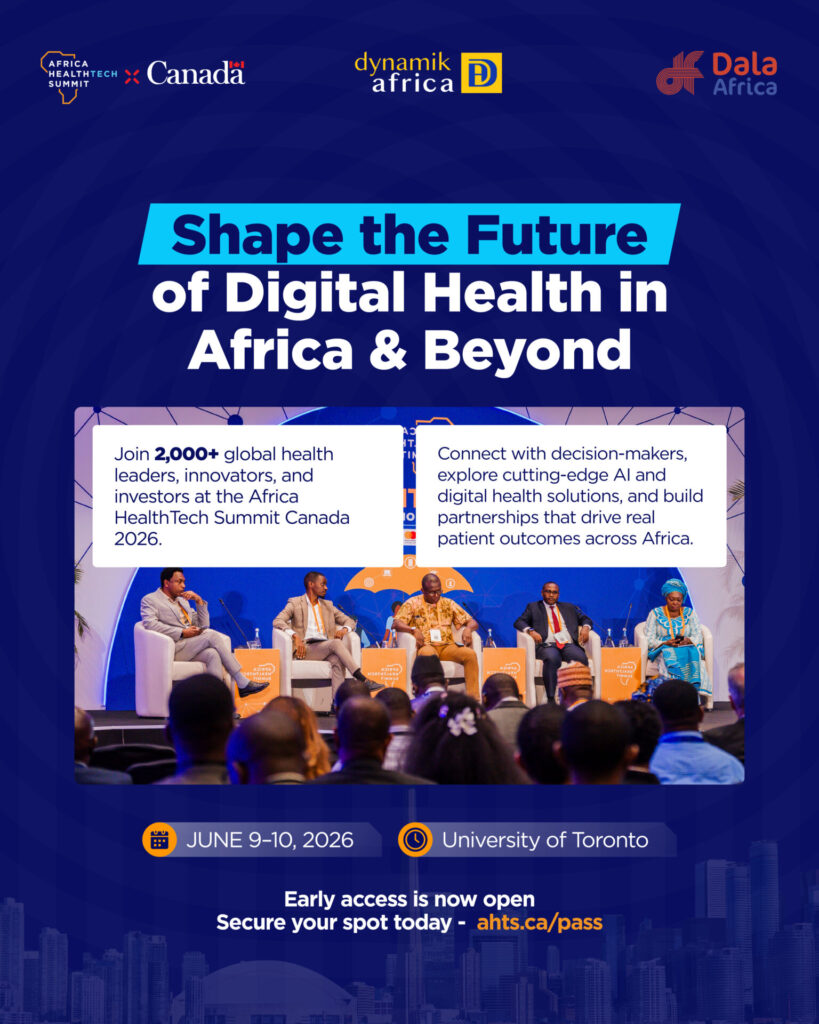
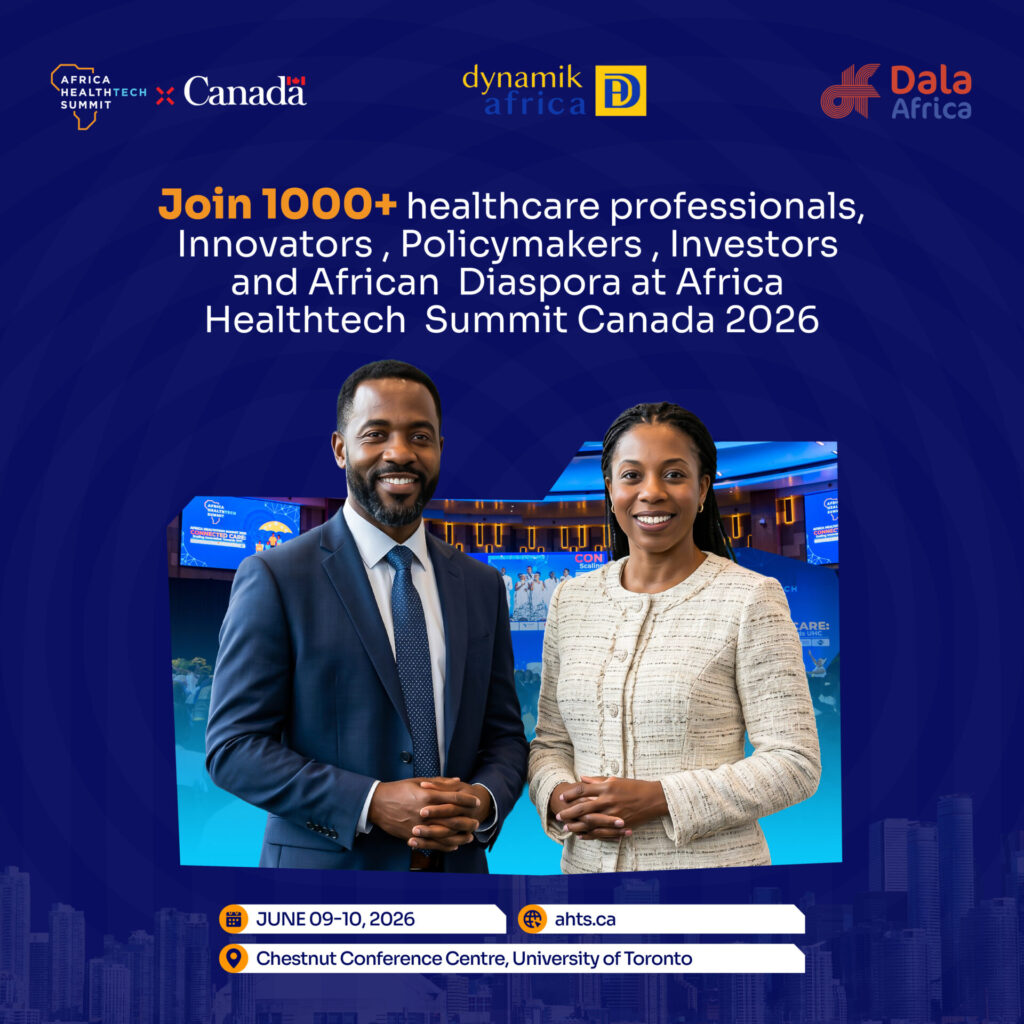
Join us at AHTSx Canada 2026- June 9–10, 2026 – University of Toronto, Canada
Register to attend – https://ahts.ca/pass