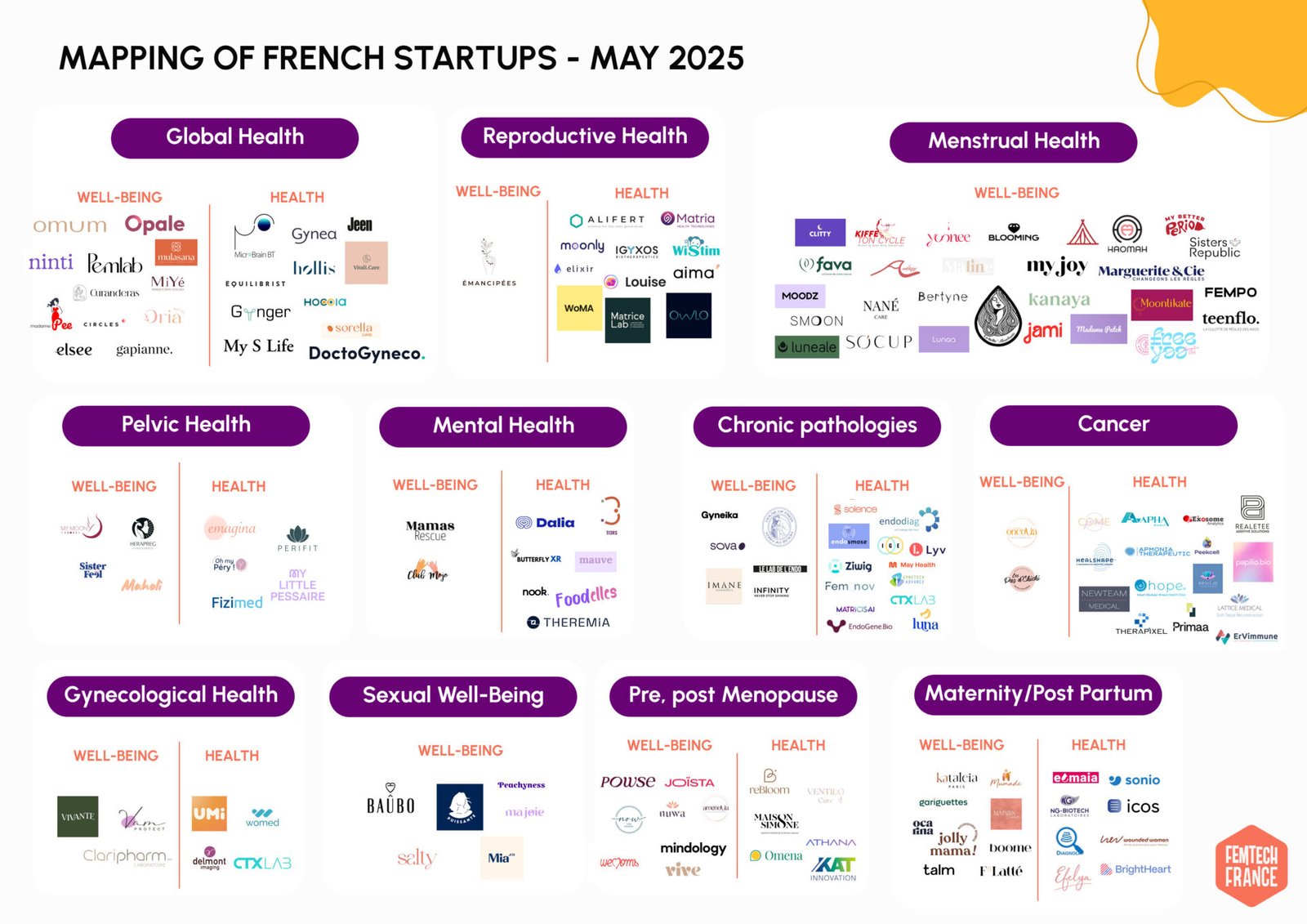
Women’s health care is more than a set of services—it’s a connected, life-course approach that spans prevention, diagnosis, treatment, and long-term support. In the women’s health domain, equity is the compass. Biological differences, gendered experiences, social determinants, and structural barriers shape outcomes, so solutions must be designed with these realities in mind. That means closing data gaps, ensuring clinical trials reflect diverse populations, and making sure digital tools are accessible, inclusive, and secure.
A domain-wide perspective also links physical, reproductive, and mental health, recognising how conditions intersect. Endometriosis impacts productivity and wellbeing; menopause affects cardiovascular risk; pregnancy can unmask chronic disease. Integrated care pathways—supported by interoperable data, remote monitoring, and multidisciplinary teams—help people move smoothly between community, primary, and specialist care. For providers and policymakers, this domain view clarifies where investment delivers the greatest impact: early screening, culturally competent services, and models that bring care closer to home.
Turning strategy into impact requires coordinated action. Our women’s health initiative focuses on three pillars: evidence, collaboration, and scale.
Evidence. We prioritise real-world data and outcomes to identify what works, for whom, and in which settings. Standardised indicators—coverage, access times, adherence, and patient-reported outcomes—enable meaningful comparison and continuous improvement. We promote ethical data sharing and privacy-by-design so insights can travel while trust is protected.
Collaboration. Change happens fastest when ecosystems connect. We bring together clinicians, researchers, entrepreneurs, patients, and payers to co-design solutions. Through challenge sprints and living labs, we match real clinical needs with innovations—from AI-assisted triage to remote symptom tracking and perinatal support platforms. Knowledge moves both ways: local pilots inform policy, and policy opens pathways for adoption.
Scale. Proven solutions deserve to cross borders. Our initiative supports procurement readiness, regulatory navigation, and implementation playbooks to help organisations scale beyond a single site. We help teams plan for workforce training, service redesign, and funding models that sustain long-term value, not just short-term projects.
Alongside these pillars, we nurture a women’s health connector —a community that accelerates learning and amplifies voices. Members share case studies, pool expertise, and build stronger advocacy for equitable access, reimbursement, and research that reflects women’s lived experience.


No holistic model of women’s health care is complete without mental health at its core. Women experience distinct risk patterns across the life course: perinatal anxiety and depression, PMDD, intimate partner violence, trauma, neurodiversity that is often under-recognised, and the cognitive and mood impacts sometimes associated with menopause. Stigma, caregiving pressures, and economic stress compound these challenges and can delay help-seeking.
Our approach integrates screening and support into routine touchpoints—primary care visits, reproductive health services, and community programmes—so no one falls through the cracks. Digital mental health tools can extend reach between appointments, offering evidence-based self-management, peer support, and rapid escalation when needed. But technology is only part of the answer. Training the workforce in trauma-informed, culturally sensitive care is essential, as is commissioning models that reimburse prevention and early intervention, not just crisis response.
We also champion co-production: designing mental health services with people who use them. This strengthens trust, relevance, and adherence. When women help shape services—from language and accessibility to data governance and feedback loops—engagement rises and outcomes improve.
Identify unmet needs across the women’s health domain using population data and community insights.
Curate and validate solutions through our women’s health initiative, stress-testing clinical efficacy, usability, and equity impact.
Activate the network via our women’s health connector to pilot, evaluate, and scale what works—sharing implementation guides, contracts, and training assets to shorten time to value.


Reduced time to diagnosis for under-recognised conditions.
Higher screening and follow-up rates across diverse communities.
Better patient-reported outcomes and experience measures.
Sustainable adoption of digital and service innovations, supported by robust governance and financing.
Whether you’re a clinician, policymaker, innovator, or advocate, there’s a place for you in our women’s health connector. Together we can make women’s health care more accessible, data-driven, and equitable—so every woman, in every community, can live a healthier life.